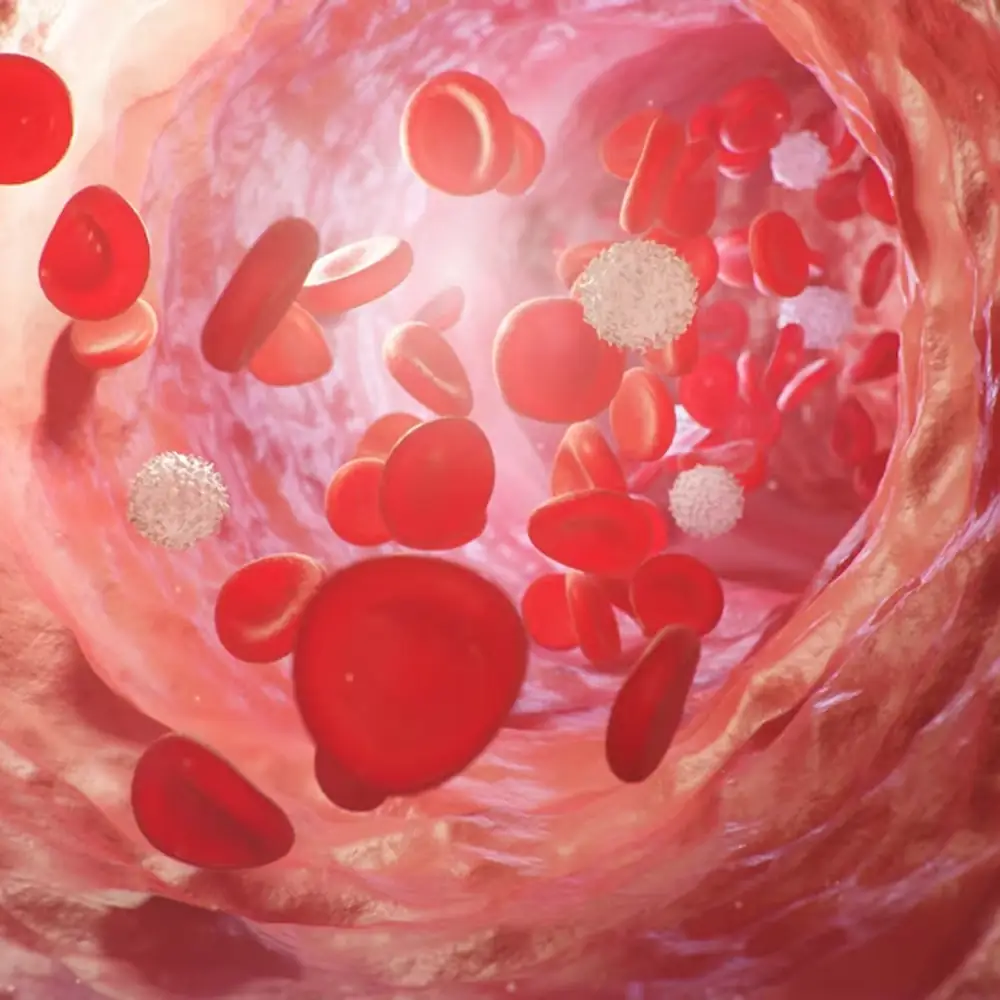
Blood pressure is one of the most-monitored numbers in modern health — and for good reason. It's also one of the numbers most responsive to everyday habits. Before getting into supplements or medical treatment (which should always be discussed with a doctor), it's worth understanding what the research actually says about diet and lifestyle.
A Quick Refresher on What the Numbers Mean
A blood pressure reading has two numbers: systolic (the pressure when your heart beats) over diastolic (the pressure between beats). Both matter, and both respond to many of the same lifestyle factors. This article focuses on habits associated with supporting numbers that are already in a healthy range — it is not medical advice, and it's not a substitute for your doctor's guidance, especially if you've been diagnosed with high blood pressure or are taking medication for it.
The Diet Pattern With the Strongest Evidence
If there's one dietary approach most consistently associated with healthy blood pressure in the research literature, it's the DASH pattern (Dietary Approaches to Stop Hypertension) — though you don't need to follow it by name to benefit from its principles: plenty of vegetables and fruit, whole grains, lean protein, and limited saturated fat and added sugar.
Sodium: Less of a Villain, More of a Balance
Sodium gets most of the attention, and reducing excess sodium intake is genuinely well-supported. But increasingly, researchers emphasize the ratio between sodium and potassium rather than sodium alone — a diet low in potassium-rich foods (leafy greens, bananas, beans, potatoes) can matter just as much as one that's high in sodium. We cover this in more depth in a companion article on sodium-potassium balance.
Limiting Alcohol
Regular, heavier alcohol intake is one of the more consistently documented lifestyle factors affecting blood pressure. Moderate intake — generally defined as up to one drink a day for women and up to two for men — is a reasonable target for most healthy adults, though individual circumstances vary.
Movement: How Much Actually Matters
You don't need to become an athlete for exercise to matter here. Most health organizations point to roughly 150 minutes of moderate-intensity activity per week — brisk walking counts — as a reasonable, well-supported target. Consistency matters more than intensity: several shorter sessions spread through the week tend to be more sustainable, and just as effective, as fewer, harder ones.
Sleep and Stress: The Underrated Factors
Sleep Quality
Poor or insufficient sleep is associated with higher blood pressure readings in multiple studies, likely through its effects on the nervous system and hormone regulation. Aiming for consistent, adequate sleep — most adults do best with 7 to 9 hours — is a genuinely underrated lever, often overlooked in favor of diet and exercise advice.
Chronic Stress
Stress triggers a temporary rise in blood pressure through the release of stress hormones. The concern isn't the occasional stressful moment — it's chronic, unmanaged stress over months and years. Practices like regular physical activity, structured breathing exercises, and simply protecting time for activities you find restorative all have reasonable evidence behind them for stress management broadly, which may indirectly support blood pressure goals.
Weight and Blood Pressure
Body weight and blood pressure are closely linked in the research, and even modest reductions in excess body weight are associated with measurable improvements in blood pressure readings for many people. This doesn't mean chasing an arbitrary number on the scale — it means that weight management, approached sustainably, is a legitimate part of the broader picture alongside diet, movement, and sleep.
What About Caffeine?
Caffeine can cause a short-term spike in blood pressure, particularly in people who don't consume it regularly. For habitual coffee or tea drinkers, this effect tends to be blunted over time. If you already have elevated blood pressure, it's worth discussing your caffeine intake with your doctor, but for most healthy adults, moderate caffeine consumption is not considered a major risk factor on its own.
None of these habits work in isolation, and none of them replace medical care. But layered together — a produce-forward diet, regular movement, decent sleep, and stress management — they represent the most evidence-backed foundation available before anything else.
Where Supplements Fit In
Some ingredients — including amino acids like L-Arginine and L-Citrulline, which are involved in nitric oxide production and circulation — have research behind their role in supporting healthy blood flow. A supplement built around ingredients like these can be one small piece of a broader routine, but it works best alongside the fundamentals above, not as a replacement for them or for medical treatment.
Building a Routine That Actually Sticks
Trying to overhaul diet, exercise, sleep, and stress management all at once rarely works long-term. A more realistic approach: pick one area, build it into a habit over a few weeks, then add the next. Most people find that starting with movement (even a daily 20-minute walk) or a single dietary swap (like adding a vegetable to dinner) is easier to sustain than a complete lifestyle overhaul.
Tracking Progress the Right Way
Because many of these habits take weeks to show measurable effects, it helps to track more than just blood pressure readings alone. Energy levels, sleep quality, and how your clothes fit can all be earlier, more encouraging signals than the number on a blood pressure monitor, which can be noisy day to day even when the underlying trend is genuinely improving. Checking in every few weeks, using an average of several readings rather than a single one, tends to give a clearer picture than daily monitoring alone.
A Note on Genetics and Individual Variation
It's worth acknowledging that not everyone responds to the same degree from identical habits — genetics play a real role in baseline blood pressure and in how responsive someone is to dietary sodium, exercise, or weight changes. This isn't a reason to skip the fundamentals; even people with a strong genetic predisposition toward higher blood pressure generally see some benefit from these habits. It simply means comparing your results to someone else's isn't especially useful — your own trend over time is what matters.
A Simple Weekly Checklist
For anyone who prefers a concrete starting point rather than a long list of principles, a simple weekly checklist can help translate this into action: aim for vegetables or fruit at most meals, cook the majority of dinners at home, take a brisk walk most days, get to bed at a consistent time, and set aside even five minutes daily for a breathing exercise or another stress-management practice. None of these need to be perfect every week — the pattern across months is what matters.
The Bottom Line
Blood pressure responds to a genuinely well-researched set of habits: a produce-forward diet with attention to the sodium-potassium balance, regular moderate exercise, adequate sleep, stress management, and — where relevant — modest weight management. These fundamentals matter more than any single food, supplement, or quick fix, and they work best as an ongoing routine rather than a short-term project.
Looking to add one more supportive habit to your routine?
BloodPril combines L-Arginine, L-Citrulline DL-Malate, and L-Arginine HCL in a simple daily capsule.
See BloodPril Packages →This article is for general informational purposes only and is not medical advice. If you have high blood pressure or take medication for it, talk to your doctor before making changes to your diet, exercise routine, or supplement regimen. This is a sensitive health topic — if you're managing a diagnosed condition, please work directly with your healthcare provider.