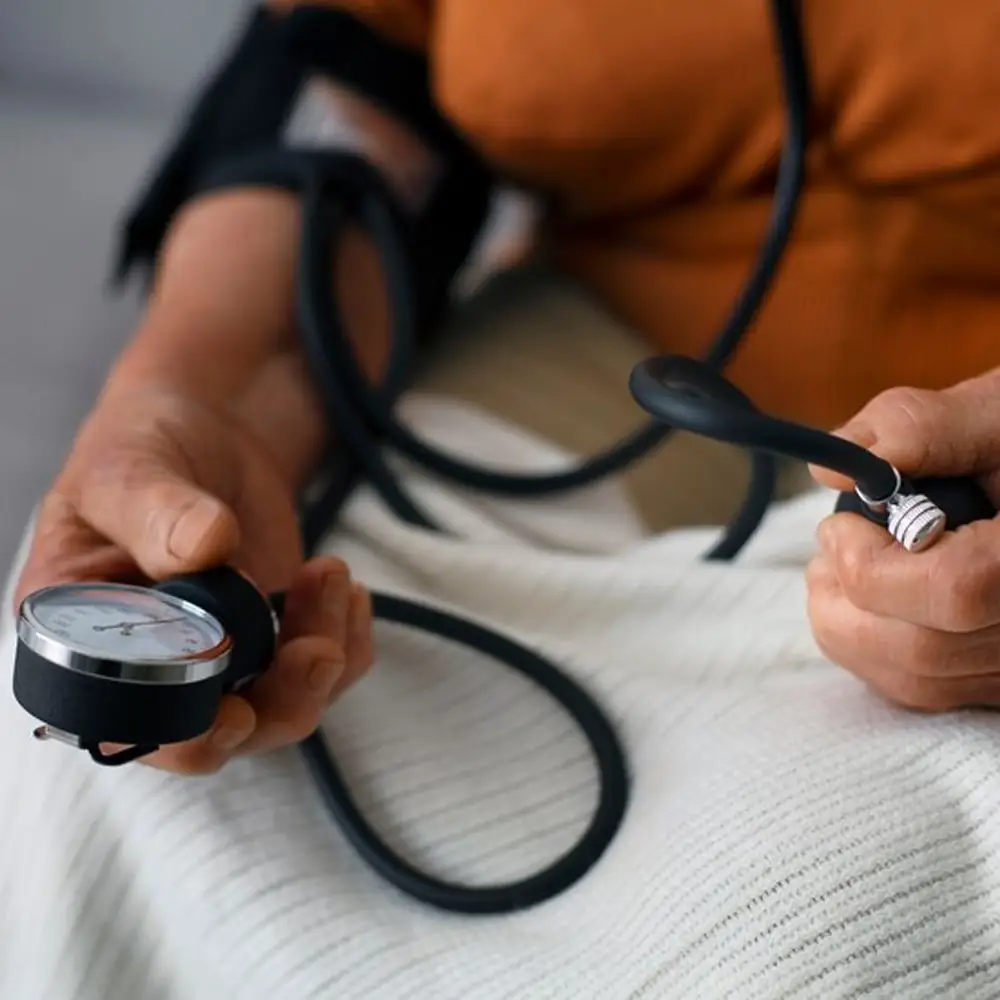
Home blood pressure monitors have become common enough that most people own one — but few people use them in a way that produces genuinely reliable numbers. Small, easy-to-miss mistakes can swing a reading by 10 points or more, which is enough to change how you (or your doctor) interpret it. Here's how to get numbers you can actually trust.
Why Home Monitoring Matters
A single reading at a doctor's office is a snapshot, and it can be skewed by something called "white coat syndrome" — a temporary rise in blood pressure caused by the stress of a clinical setting. Regular home monitoring, done correctly, gives a more representative picture of your blood pressure across normal daily conditions, which is why many doctors now recommend it as a complement to office readings.
The Setup Mistakes That Skew Your Numbers
Wrong Cuff Size
This is one of the most common and most impactful mistakes. A cuff that's too small for your arm will produce an artificially high reading; one that's too large can produce an artificially low one. Most monitors list a compatible arm circumference range on the cuff itself or in the manual — it's worth checking yours against a simple tape-measure reading of your upper arm.
Wrong Arm Position
Your arm should be supported at heart level — resting on a table, not held up in the air or hanging at your side. An arm positioned below heart level tends to inflate the reading; one held above heart level tends to deflate it.
Unsupported Back or Feet
Sit with your back supported and both feet flat on the floor — not crossed. Crossed legs alone have been shown in some studies to raise systolic pressure by several points.
The Timing Mistakes
Measuring Right After Caffeine, Exercise, or a Full Bladder
Each of these can temporarily raise your reading. General guidance is to wait at least 30 minutes after caffeine or exercise, and to use the bathroom before measuring if needed.
Talking During the Reading
Talking — even briefly — during a blood pressure measurement can raise the reading. Stay quiet and still for the full duration.
Measuring Only Once
A single reading is more prone to noise from all the factors above. Most clinical guidelines recommend taking two or three readings, one to two minutes apart, and using the average — most home monitors with memory functions make this easy to track.
A Simple, Repeatable Routine
- Same time each day. Blood pressure naturally fluctuates throughout the day, so measuring at a consistent time (many people choose morning, before medication and coffee) makes readings comparable over time.
- Rest for 5 minutes first. Sit quietly before your first reading, rather than measuring immediately after moving around.
- Correct posture. Back supported, feet flat, arm at heart level, cuff on bare skin (not over clothing).
- Take two readings, one minute apart. Record both, or let your monitor average them if it supports that feature.
- Log the results. A simple notebook or a notes app works fine — what matters is having a record to review over time, or to share with your doctor.
A single "high" reading, taken incorrectly, has caused plenty of unnecessary worry. A consistent routine — same time, same setup, averaged over a few readings — gives you numbers worth actually paying attention to.
Understanding What a Reading Means (And What It Doesn't)
One elevated reading is not a diagnosis. Blood pressure naturally varies throughout the day and can be temporarily affected by stress, dehydration, poor sleep, or simply the act of measuring it. What matters more for most people is the overall pattern across many readings, not any single number. If you consistently see numbers outside your doctor's recommended range, that's the signal worth bringing to a medical appointment — not a reason for alarm over any one reading.
When to Actually Call Your Doctor
Occasional single elevated readings, especially with an identifiable cause (a stressful morning, a bad night's sleep), generally aren't cause for immediate concern. However, a reading that's very high (guidelines vary, but readings above roughly 180/120) alongside symptoms like severe headache, chest pain, shortness of breath, or vision changes, warrants prompt medical attention — this specific combination of signs can indicate a hypertensive emergency and should not wait for a routine appointment.
Choosing a Reliable Monitor
Not all home monitors are created equal. Upper-arm cuff monitors are generally considered more accurate than wrist or finger monitors, which are more sensitive to positioning errors and small movements. When possible, choosing a monitor that has been independently validated (look for validation from organizations that test consumer blood pressure devices against clinical standards) is worth the extra research, since accuracy varies meaningfully between brands and models.
The "White Coat" and "Masked" Effects
Beyond white coat syndrome (elevated readings in clinical settings), there's a lesser-known opposite phenomenon called masked hypertension — where readings are normal in a doctor's office but elevated in daily life. This is part of why consistent home monitoring is so valuable as a complement to office readings: it can reveal patterns that a single annual checkup would miss entirely in either direction.
Bringing Your Data to Your Doctor
A log of home readings, taken consistently over several weeks, is far more useful to a doctor than describing your blood pressure from memory. Many monitors now sync to a phone app automatically, but even a simple written log with date, time, and both readings gives your doctor meaningful data to work with — including patterns tied to time of day, medication timing, or specific circumstances worth discussing.
Digital vs. Manual Monitors
Most home monitors today are automatic digital models, which are generally easier to use correctly than the older manual versions with a stethoscope and hand pump. That said, digital monitors can still be thrown off by irregular heartbeats, movement during the reading, or a poorly fitted cuff, so the setup fundamentals covered above matter regardless of which type of monitor you use.
How Often Should You Actually Measure?
For general wellness tracking, many people find twice a week (morning and evening, or just a consistent daily time) sufficient to spot meaningful trends without becoming overly focused on the numbers. If your doctor has specifically asked you to monitor more closely — for example, after a medication change — follow their specific guidance instead, since the right frequency depends on your individual situation and health history.
The Bottom Line
Home blood pressure monitoring is a genuinely useful tool — but only if the numbers are reliable and consistently gathered. Correct cuff size, proper arm and body positioning, consistent timing, and averaging multiple readings all matter more than most people realize. Get the routine right, and your home readings become a meaningful data point to track over time and share with your doctor, rather than a source of noisy, misleading numbers.
Building a consistent daily routine?
BloodPril's simple 2-capsule daily routine pairs easily with a consistent monitoring habit.
See BloodPril Packages →This article is for general informational purposes only and is not medical advice. If you have concerns about your blood pressure readings, or experience symptoms alongside a high reading, contact your doctor or seek medical attention promptly.